.png)
Aluminium Window Profiles : A Complete Guide to Types, Benefits, and Applications
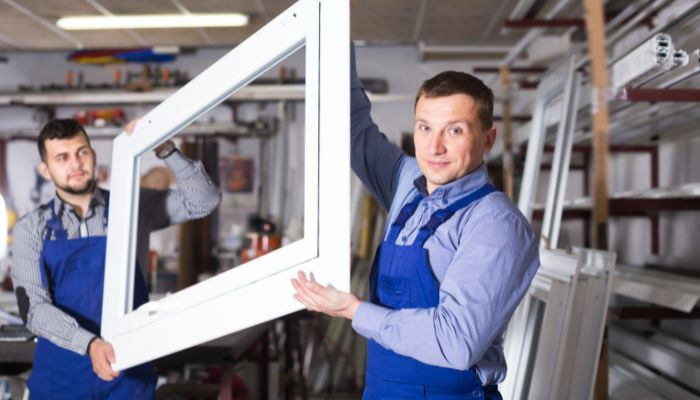
Windows are among the most important elements of any building. They influence natural lighting, ventilation, energy efficiency, security, and overall architectural appearance.
While glass often receives the most attention, the performance and durability of a window system largely depend on the quality of its framing structure. This is where aluminium window profiles play a crucial role.
Over the years, aluminium has become one of the most preferred materials for window systems in residential, commercial, and industrial projects.
Its combination of strength, lightweight properties, corrosion resistance, and design flexibility makes it an ideal solution for modern architecture.
At PT Damai Abadi, we manufacture high-quality aluminium extrusion solutions for various construction applications, including window systems designed to meet both functional and aesthetic requirements.
In this guide, we explore the different types of aluminium window profiles, their advantages, and the applications that make them a popular choice across the construction industry.
ALUMINIUM WINDOW PROFILES
Aluminium window profiles are extruded aluminium sections specifically designed to form the structural framework of windows.
These profiles serve as the main support system that holds glass panels while providing stability, durability, and protection against environmental conditions.
Through the extrusion process, aluminium can be formed into precise shapes that accommodate different window designs and performance requirements.
Profiles can be customized to support various opening mechanisms, glazing configurations, and architectural styles.
Unlike traditional materials such as wood or steel, aluminium offers a unique balance between strength and weight.
This allows architects and builders to create larger window openings without compromising structural integrity.
Types of Aluminium Window Profiles
Different projects require different window systems. As a result, aluminium window profiles are available in several configurations depending on the intended application.
The most common types include :
Sliding window profiles
Casement window profiles
Fixed window profiles
Awning and top-hung window profiles
Sliding window profiles are widely used in residential and commercial buildings because they maximize space efficiency.
Casement systems are preferred when improved ventilation and sealing performance are required.
Fixed window profiles are often used for panoramic views and architectural features, while awning systems provide ventilation even during light rain conditions.
Each profile type is engineered to support specific operational and structural requirements, making profile selection an important part of window design.
Why Aluminium Has Become the Preferred Choice
The growing popularity of aluminium window profiles is driven by the material's inherent advantages.
Modern construction projects require materials that deliver both performance and long-term value, and aluminium fulfills these requirements exceptionally well.
One of the biggest advantages is strength. Aluminium can support large glass panels while maintaining slim frame designs. This enables architects to maximize natural light and create contemporary building aesthetics.
Another important benefit is corrosion resistance. Aluminium naturally forms a protective oxide layer that helps protect the material from environmental exposure.
This makes it suitable for both indoor and outdoor applications, including buildings located in coastal or humid environments.
In addition, aluminium offers excellent dimensional stability. Unlike some traditional materials, it does not warp, crack, or expand significantly under normal environmental conditions. This contributes to consistent performance over many years of use.
Key Benefits of Aluminium Window Profiles
The widespread adoption of aluminium window profiles is supported by a range of practical benefits that extend beyond appearance alone.
These advantages include :
High strength with lightweight construction
Long-term durability and corrosion resistance
Modern and versatile architectural aesthetics
Minimal maintenance requirements
Because aluminium requires relatively little maintenance, property owners benefit from lower lifecycle costs compared to some alternative materials.
The durability of the material also contributes to longer service life, making it a cost-effective investment for both residential and commercial projects.
For developers and contractors, the consistency and precision of aluminium extrusion profiles help improve installation efficiency and overall project quality.
Design Flexibility for Modern Architecture
Contemporary architectural design often emphasizes clean lines, expansive glazing, and minimalist aesthetics. Aluminium window profiles support these design trends exceptionally well.
Through the extrusion process, profiles can be manufactured in a wide range of shapes and dimensions. This flexibility allows designers to create custom window systems that meet specific architectural objectives.
Large commercial buildings frequently utilize slim aluminium frames to maximize glass surface area and enhance visual appeal.
Residential projects often benefit from customized profile designs that complement modern interior and exterior concepts.
At PT Damai Abadi, we work closely with clients to develop extrusion solutions that align with project requirements while maintaining structural performance and manufacturing efficiency.
The ability to customize profile geometry gives architects greater freedom without sacrificing practicality.
Applications Across Residential and Commercial Projects
The versatility of aluminium window profiles makes them suitable for various building types and project scales.
In residential developments, aluminium windows are commonly used in houses, apartments, and condominiums. Homeowners appreciate their durability, modern appearance, and ease of maintenance.
Commercial buildings often rely on aluminium window systems because they can support larger openings and accommodate complex architectural designs.
Office towers, retail centers, hotels, and educational facilities frequently incorporate aluminium-framed windows into their building envelopes.
Industrial facilities also utilize aluminium window profiles in areas where corrosion resistance, structural reliability, and long service life are important.
Because aluminium adapts well to different environments and performance requirements, it remains one of the most versatile materials available for window construction.
When Choosing Aluminium Window Profiles
Selecting the right profile involves more than simply choosing a frame style. Several factors should be evaluated to ensure that the window system performs effectively throughout its lifespan.
Project requirements may include considerations such as structural load capacity, environmental exposure, energy efficiency goals, and aesthetic preferences.
Profile dimensions, wall thickness, alloy selection, and finishing options all influence overall performance.
Surface treatments such as anodizing or powder coating can further enhance durability while providing a wide range of color and finish options.
These treatments help maintain appearance and protect the profile in challenging environmental conditions.
Working with an experienced extrusion manufacturer helps ensure that profile specifications align with project objectives from both a design and performance perspective.
The Importance of Manufacturing Quality
Even the best window design depends on manufacturing precision. High-quality aluminium window profiles require consistent extrusion processes, accurate dimensional control, and strict quality assurance procedures.
Dimensional consistency is particularly important because window systems rely on precise alignment between frames, glass panels, and hardware components. Small variations can affect installation quality, operational performance, and long-term durability.
At PT Damai Abadi, we apply rigorous manufacturing standards throughout the extrusion process to ensure that every profile meets the required specifications.
From billet preparation and die development to finishing and inspection, quality control remains a priority at every stage.
This commitment allows us to provide reliable aluminium extrusion solutions that support the demands of modern construction projects.
Conclusion
Aluminium window profiles have become a fundamental component of modern building design. Their combination of strength, durability, corrosion resistance, and design flexibility makes them suitable for a wide range of residential, commercial, and industrial applications.
From sliding and casement systems to custom architectural solutions, aluminium profiles provide the structural foundation for window systems that balance performance with aesthetics.
As construction standards continue to evolve, the demand for high-quality aluminium window solutions is expected to grow even further.
At PT Damai Abadi, we are committed to delivering precision-engineered aluminium extrusion products that meet the needs of today's construction industry.
Through advanced manufacturing capabilities, strict quality control, and collaborative engineering support, we help clients develop window profile solutions that combine functionality, durability, and long-term value.
If you are looking for reliable aluminium window profiles for your next project, our team is ready to help you find the right solution tailored to your specific requirements.


Comments